
Root Canal Aftercare: What to Eat, Crown Timing & Warning Signs
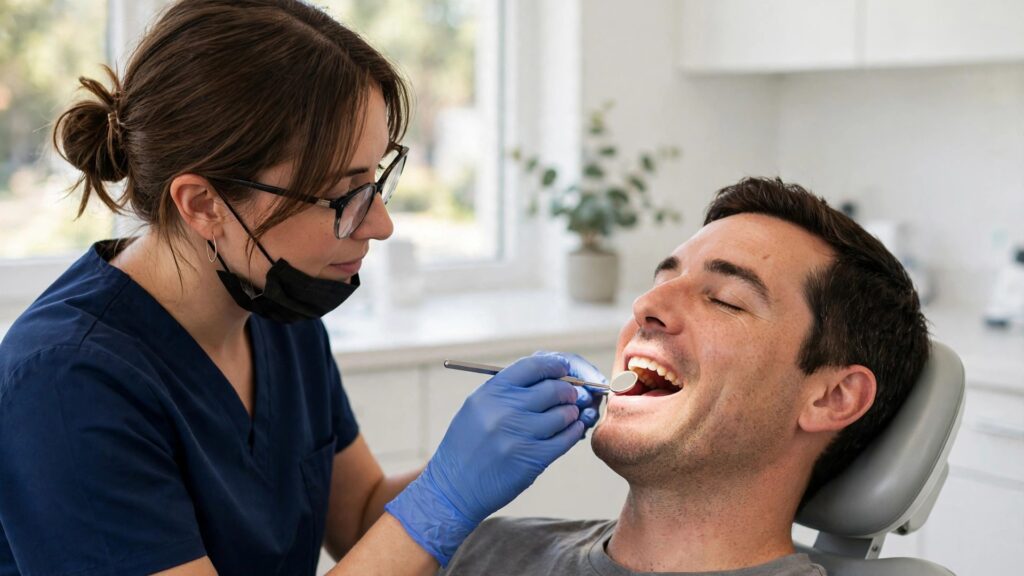
Root canal aftercare starts the moment you leave the dental chair, and it matters just as much as the treatment itself. A root canal removes the infected pulp from inside the tooth, cleans the root canals, and seals them so the infection cannot return. The tooth is saved, but it needs a few days of gentle care while the surrounding tissues settle. This guide explains what to eat, how to manage pain, when to fit your crown, and which warning signs need a prompt call. If you are still deciding about treatment, read about is root canal painful first — it describes what the procedure itself actually feels like. The answers below apply wherever you had your root canal done, including patients visiting a clinic in Mirpur-12.
The First 24 Hours After a Root Canal
The first day sets the tone for your whole recovery. Numbness from the local anaesthetic usually wears off within two to four hours. Until feeling returns fully, avoid chewing on the treated side so you do not accidentally bite your cheek, lip, or tongue.
Rest for the rest of the day if you can. Avoid heavy exercise, bending, and lifting, because these can raise blood pressure around the treated tooth and increase throbbing. Sleep with your head slightly raised on the first night. Do not rinse vigorously, spit forcefully, or use a straw for 24 hours.
A little tenderness when you bite down is normal. The tissues around the root tip were inflamed before treatment, and they need time to calm down. You may also notice slight sensitivity to pressure for a few days. This is normal healing, not a sign of failure. Take pain relief exactly as prescribed.
What to Eat After a Root Canal — and What to Avoid
Your diet in the first few days protects both the temporary filling and the treated tooth. A root canal tooth is more fragile than a healthy tooth until it is crowned, so soft food is the rule until your dentist clears you for normal chewing.
Good choices for the first three to five days include soft rice, khichuri, mashed potatoes, well-cooked dal, yoghurt, eggs, steamed fish, soups, soft noodles, well-cooked vegetables, bananas, and lukewarm drinks. Chew on the opposite side, cut food small, and eat slowly.
Avoid hard, sticky, and very hot or cold foods for at least the first week. Hard foods such as nuts, hard biscuits, ice, and bones can crack a root canal tooth or dislodge the temporary filling. Sticky foods such as toffee, chewing gum, and sticky sweets can pull the temporary filling out. Very hot or very cold food can trigger sensitivity in the first few days, so let food cool to a comfortable temperature before eating. Avoid alcohol and smoking until the crown is in place. Most people return to a normal diet within a week, but avoid very hard foods on the treated tooth until the crown is fitted.
Pain, Swelling, and Medicines: What Is Normal?
Mild to moderate pain for two to three days after a root canal is normal, and it usually improves a little each day. Some people feel almost nothing after day one; others feel a dull ache for up to a week. Swelling, if it happens at all, is usually mild and peaks within 48 hours before fading.
Take pain relief as directed by your dentist, and follow the dose and timing on the prescription rather than guessing. Your dentist may prescribe something stronger if the infection was severe. Do not take antibiotics unless they were prescribed for you, and finish the full course if they were — stopping early can let the infection return.
A cold compress on the outside of the cheek for 15 minutes at a time can ease swelling and soreness on the first day. Wrap ice in a cloth first. Gentle warm salt-water rinses can start from day two. Tell your dentist about allergies and regular medicines before the follow-up visit. Pain that worsens after day three, growing swelling, or fever is not normal healing — see the warning signs below.
Brushing, Flossing, and Daily Care After Treatment
Good oral hygiene after a root canal prevents a new infection and keeps the gum around the treated tooth healthy. Brush twice a day with a soft-bristled toothbrush and fluoride toothpaste, including the treated tooth, but brush it gently for the first few days. Do not scrub hard or use abrasive toothpaste while it is tender.
Floss as usual around your other teeth, but be careful around the temporary filling. Slide the floss out sideways rather than pulling it sharply upwards, which can catch the edge of the filling and lift it. Keep interdental brushes and water flossers on a gentle setting near the tooth until crowning. Mouthwash is fine after the first day, but choose an alcohol-free rinse so it does not sting or dry the tissues. Avoid home remedies such as clove oil or garlic on the treated tooth unless your dentist recommends them. Keep follow-up appointments even if the tooth feels fine.
Crown Timing: Why You Need a Crown, and When
A root canal tooth has lost its living pulp, which means it no longer receives the same moisture and nourishment as a healthy tooth. Over time it becomes more brittle, and without a crown it can crack under normal chewing pressure. A cracked root canal tooth is often not repairable, so the crown is the second half of treatment.
Most dentists fit a temporary crown or filling immediately after the root canal, then schedule the permanent crown within two to four weeks. This gap lets the tooth settle while the crown is made. Waiting longer risks the temporary filling leaking and letting bacteria back in. If it comes off, contact your dentist promptly.
The crown material affects both appearance and cost. A front tooth usually needs a natural-looking crown, while a back tooth needs strength for chewing. Your dentist will recommend a material for your tooth and bite. To compare the main options in detail, read about zirconia crown cost in Bangladesh, which explains how zirconia, PFM, and E-Max crowns differ in strength, appearance, and price. Do not delay the crown once the tooth has settled.
What Root Canal Follow-Up Usually Costs
Aftercare needs no special purchase beyond toothpaste and prescribed medicines. The costs that usually follow a root canal are the follow-up visit and the permanent crown, so it helps to plan for those. Prices below are generic Bangladesh market prices, not a single clinic’s price list; final cost depends on tooth, material, and complexity. For a full list of treatment prices, see the dental treatment price list.
| Treatment | Typical price in Bangladesh |
|---|---|
| General consultation | ৳500 |
| Digital X-ray | ৳200 |
| Front tooth root canal | ৳8,000 |
| Back tooth root canal | ৳8,000 |
| Single visit root canal | ৳11,000 |
| Re-root canal | ৳12,000 |
| PFM crown | ৳6,000 |
| Zirconia crown | ৳20,000 |
| E-Max crown | ৳30,000 |
| Fibre crown and post core build-up | ৳5,000 |
The crown choice changes the total more than the root canal itself. Ask for a written estimate before the crown appointment. If cost is a concern, say so early — but do not skip the crown.
Warning Signs: When to Call Your Dentist
Most root canal recoveries are uneventful, but a few symptoms need prompt attention. Call your dentist the same day if you notice any of the following:
- Pain that worsens after three days, or wakes you at night
- Growing swelling, or swelling with fever
- Bad taste, pus, or a bump on the gum
- A filling or crown that falls out or feels loose
- The tooth feeling too high when biting, or a sharp crack
- Numbness lasting over a day, or difficulty opening your mouth
Swelling with fever or difficulty swallowing or breathing needs same-day urgent care. A cracked tooth can worsen quickly — chew on the other side and call promptly. When you call, say when it started, whether it is worsening, and what medicines you have taken. That helps your dentist decide between an urgent visit, a prescription change, or reassurance.
Takeaway: Eat soft food, chew on the other side, take medicines as directed, brush gently, and get your crown within two to four weeks. Improving tenderness is normal; worsening pain, growing swelling, a lost filling, or a crack need a prompt call. Look after it well now, and it can serve you for many years.