
Is Root Canal Painful? What It Really Feels Like in Bangladesh
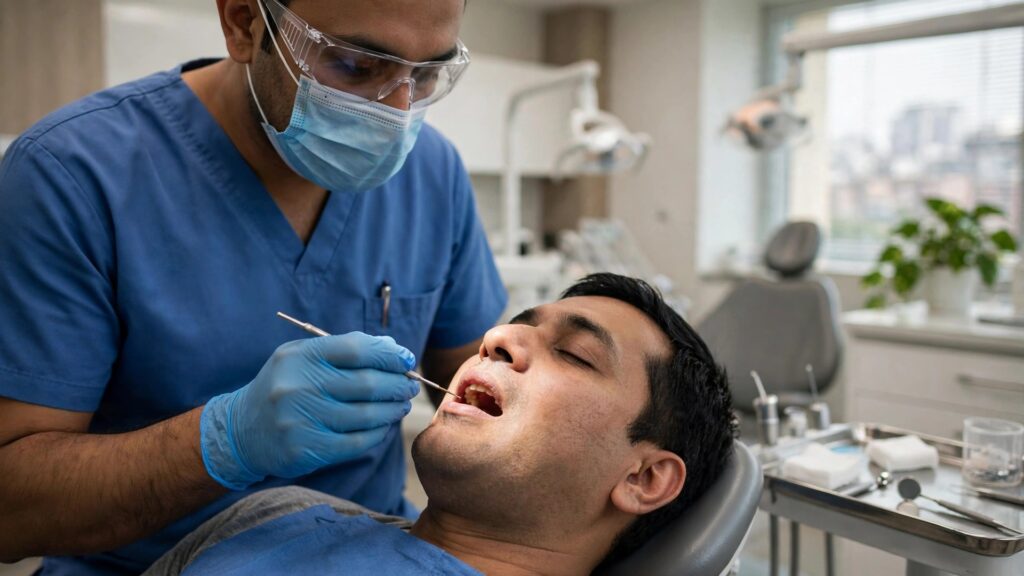
If someone tells you that you need a root canal, the first question is almost never about cost or visits. It is much simpler: is root canal painful? The fear is so common that many people delay treatment for months, imagining the procedure will be worse than the pain they already have.
The honest answer is reassuring. A modern root canal is usually far less painful than the infected toothache that leads to it: most patients feel pressure and vibration, not sharp pain, and soreness afterwards is usually mild and short-lived. This guide explains what you feel at each stage, why old horror stories no longer match modern treatment, what it costs in Bangladesh, and when pain afterwards means calling your dentist.
What a Root Canal Actually Treats
A root canal treats the pulp, the soft tissue inside a tooth containing nerves and blood vessels, when it becomes inflamed or infected. Deep decay, a cracked tooth, a large filling, or a blow to the mouth can damage it. Once bacteria reach the pulp, the tooth cannot heal itself, and infection can spread to the bone around the root if left untreated.
During a root canal treatment, the dentist removes the infected pulp, cleans and shapes the canals inside the root, disinfects them, and seals them so bacteria cannot easily return. A filling or crown then protects the tooth. The aim is to save your own tooth rather than extract it, keeping normal chewing, a natural look, and no gap to manage.
Note the difference between two pains: the throbbing pain of an infected tooth comes from inflammation inside a closed tooth, and the root canal removes its source. Many people blame the treatment for pain that was already there beforehand.
Does a Root Canal Hurt During the Procedure?
For most patients, the answer is no, not in the way they fear. The tooth is numbed with local anaesthetic before treatment, as for a filling, only more carefully. The dentist will test that it is fully numb before beginning, and if you feel anything sharp, raise your hand so more anaesthetic can be given. Pressure, vibration, and instrument sounds are normal; sharp pain is not, and you need not endure it quietly.
Modern treatment is also more precise. Digital X-rays show the length and shape of the canals, and small rotary instruments clean them faster than the hand files of earlier decades, reducing irritation around the root. A front tooth, with one straight canal, is often completed faster than a back molar, which may have three or four curved canals.
Pain After a Root Canal: What Is Normal?
Some soreness after treatment is normal, and usually the mildest part of the story. Once anaesthetic wears off, the tooth and gum may feel tender for a few days, especially when biting, because tissues around the root tip have been cleaned and slightly disturbed. Most people manage with an ordinary painkiller, if they need one, and return to normal activities the next day.
Typically, numbness lasts a few hours, then mild soreness follows. Tenderness when biting usually eases over two or three days, and by the end of the first week most teeth feel close to normal. If soreness worsens after three or four days, call your dentist. In those first days, chew on the other side, avoid very hard foods on the treated tooth, and brush and floss gently as normal. If the tooth feels high when you bite after a temporary filling, a quick adjustment usually fixes it.
Why the Old Horror Stories Persist
Horror stories usually come from three sources, none describing modern treatment well. First, history: decades ago anaesthesia was less reliable and instruments slower, so treatment took longer and hurt more. Second, confusion: people remember the severe pain of the infected tooth and blame the treatment that stopped it. Third, a story passed on from a time when the tooth was already badly infected before treatment began.
A badly infected or swollen tooth is genuinely harder to numb, because inflammation changes how tissues respond to anaesthetic, which is why dentists sometimes prescribe medication first or treat in stages for a large abscess. It is also a reason not to delay: a tooth treated early is usually easier to numb and quicker to settle than one painful for weeks.
A myth that a root canal causes illness elsewhere comes from very old, flawed research, thoroughly discredited by modern studies. A root canal removes infection; leaving it untreated risks spreading it.
Cost of Root Canal Treatment in Bangladesh
Cost varies with the tooth and visits. A front tooth usually costs less than a back molar, with fewer canals, and single-visit treatment may be priced differently from treatment over two or three visits. A re-treatment usually costs more, because it is more complex. The table below shows generic Bangladesh market prices, checked against the live price list, to help you compare — not a fixed quote, since the final cost depends on the tooth, its canals, and whether a crown is needed.
| Item | Generic market price (BDT) |
|---|---|
| Front Tooth Root Canal | ৳8,000 |
| Back Tooth Root Canal | ৳8,000 |
| Single Visit Root Canal | ৳11,000 |
| Re-Root Canal | ৳12,000 |
| PFM Crown | ৳6,000 |
| Zirconia Crown | ৳20,000 |
| E-Max Crown | ৳30,000 |
| General Consultation | ৳500 |
| Digital X-ray | ৳200 |
Most root canal teeth, especially back teeth, need a crown afterwards, because the tooth becomes more brittle once the pulp is removed. That crown is a separate cost, so ask whether a quote includes it. For a full picture of how these treatments sit alongside other options, see the dental treatment price list before your visit. If a crown is needed, the zirconia crown cost in Bangladesh guide explains where zirconia, PFM, and E-Max each make sense.
Do not compare quotes by the canal price alone. Ask whether the quote includes the X-ray, final filling, crown, and follow-ups, and whether a single-visit or multi-visit approach is planned. A slightly higher quote including the crown and follow-ups can be better value than a lower one that leaves them out.
When Pain After Treatment Needs Attention
Most post-treatment soreness settles on its own, but some symptoms need a call without delay: pain worsening after three or four days, swelling that increases, a bad taste or pus near the tooth, a fever, or a temporary filling or crown that has come off. A tooth feeling very high when you bite also deserves a quick adjustment visit.
Mild tenderness for a few days and sensitivity to pressure while the area settles are common, not emergencies. If unsure, a phone call is enough; your dentist can usually tell whether you need same-day review.
If you live in Mirpur-12 or elsewhere in Dhaka, do not ignore worsening pain. An untreated infection can spread to the jawbone and, rarely, further, and early review is almost always simpler than emergency treatment later.
How to Make Your Root Canal Easier
A few practical steps help. Go early, before the tooth becomes severely infected, because early treatment is usually easier to numb and quicker to settle. Tell your dentist about your anxiety, medical history, and medicines, including blood thinners. Agree on a stop signal before treatment starts, so you know you can pause at any time.
Also, plan the restoration with the root canal: ask whether a crown is needed, which material suits a front tooth versus a molar, and how soon it should be fitted. A tooth left unrestored for months is more likely to crack or re-infect. Finally, keep the follow-up appointment even if the tooth feels fine, to confirm healing on X-ray.
Takeaway: A root canal is usually not painful during treatment, because the tooth is fully numbed and modern instruments make cleaning faster and more precise. The pain most people fear is the infected tooth itself, which treatment removes. Afterwards, mild tenderness for a few days is normal, while worsening pain after three or four days, increasing swelling, or a lost filling needs prompt attention. In Bangladesh, a front or back tooth root canal typically costs around ৳8,000 as a generic market price, single-visit around ৳11,000, re-treatment around ৳12,000, plus a crown if needed. Treating the tooth early, agreeing a stop signal, and completing the crown on time keep the experience comfortable and the tooth safe.
Mirpur-12, Dhaka — 01676-347526