
Understanding Gingivectomy: Reshaping Your Smile and Health
Gingivectomy is a common, yet often misunderstood, periodontal procedure. Simply put, it involves the surgical removal of gum tissue (gingiva). While it sounds complex, this precise procedure is instrumental in both aesthetic smile enhancement and critical therapeutic dental care for patients battling gum disease. Understanding when and why a gingivectomy is performed is the first step toward achieving optimal oral health.
The Dual Purpose of Gingivectomy
Gingivectomy serves two primary functions in modern dentistry:
1. Cosmetic Correction (Aesthetic):
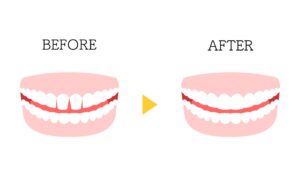
Often referred to as “gum contouring” or “gummy smile correction,” this is perhaps the most well-known application. Some individuals have excess gum tissue covering a significant portion of their teeth, making their teeth appear short or square. A cosmetic gingivectomy removes this excess tissue to expose more of the natural tooth crown, creating a more balanced, aesthetically pleasing smile.
2. Therapeutic Necessity (Periodontal):
This function is crucial for deep dental care. When plaque and tartar lead to advanced gum disease (periodontitis), the gum tissue pulls away from the teeth, forming deep “pockets.” These pockets trap bacteria, making them impossible to clean with regular brushing and flossing, which in turn accelerates bone and tissue loss. A therapeutic gingivectomy eliminates these pockets by trimming and reshaping the infected gum tissue, making the tooth roots accessible for cleaning and restoring healthy gum-to-tooth attachment.
The Procedure: Precision and Comfort
The gingivectomy procedure is typically straightforward and performed in the dentist’s office under local anesthesia. The total time depends on the extent of the tissue to be removed, but most patients report minimal discomfort during the procedure itself.
The dentist will carefully mark the area of excess tissue. The tissue is then removed and contoured using one of several methods:
-
Scalpel: The traditional and highly precise method.
-
Electrosurgery: Utilizing a fine electrical current to cut and seal tissue simultaneously.
-
Laser Dentistry: Modern techniques, favored by the best dentist dhaka practitioners, often employ soft-tissue lasers. The laser provides highly accurate cutting, sterilizes the area immediately, and often minimizes bleeding and dramatically speeds up the healing process.
Recovery and Long-Term Benefits
Recovery from a gingivectomy is generally swift. Patients are advised to follow soft-food diets for a few days and use medicated mouthwash as prescribed. Minor swelling and sensitivity are common but usually subside within a week.
The long-term benefits are substantial:
-
Improved Hygiene: Removing deep periodontal pockets makes daily brushing and flossing effective again, stopping the progression of gum disease and protecting against future infection.
-
Enhanced Appearance: The procedure permanently corrects a gummy smile, boosting confidence and smile aesthetics.
-
Foundation for Further Treatment: In some cases, gingivectomy is a necessary preparation step before placing crowns, veneers, or other restorative procedures, ensuring a proper fit and optimal long-term result.
Choosing the Best Professional
Due to the delicate nature of gum tissue and the need for precision, choosing an experienced professional is paramount. When considering a gingivectomy, consulting with any professional like any best dentist in dhaka with specific training in periodontics or advanced laser dentistry, ensures the highest standard of dental care. An expert will correctly diagnose the root cause of the issue and execute the contouring with both clinical accuracy and aesthetic artistry. Investing in this care is an investment in both your smile and your enduring oral health.etur adipiscing elit. Ut elit tellus, luctus nec ullamcorper mattis, pulvinar dapibus leo.