
Operculectomy: Simple Solution for Pericoronitis
Operculectomy is a minor surgical procedure often performed as part of proactive dental care. While the name sounds complex, the procedure itself is a straightforward solution for a common and painful condition known as pericoronitis. This condition typically affects partially erupted teeth, most often the lower third molars (wisdom teeth). Understanding when and why an operculectomy is necessary is crucial for anyone experiencing recurrent pain in the back of the mouth.
What is Pericoronitis?
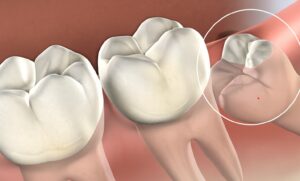
Pericoronitis occurs when a flap of gum tissue, called an operculum, partially covers the chewing surface of a molar that is still pushing through the gum. This creates a moist, warm, and protected space where food debris, bacteria, and plaque become trapped. Since the area is difficult to clean with a toothbrush, the bacteria flourish, leading to infection and inflammation.
Symptoms of pericoronitis can range from mild discomfort to severe pain and swelling, which may include:
Pain and tenderness around the affected molar.
Red, swollen, and sometimes bleeding gum tissue (operculum).
Difficulty closing the mouth or biting down.
Swelling in the face or jaw.
Bad taste or persistent bad breath (halitosis).
In severe cases, fever and swollen lymph nodes.
The Operculectomy Procedure
When episodes of pericoronitis become recurrent and debilitating, an operculectomy is usually recommended to remove the source of the problem—the gum flap itself. This procedure is generally quick, effective, and performed in an outpatient setting.
Anesthesia: The area around the wisdom tooth is thoroughly numbed using a local anesthetic. The patient should feel no pain during the procedure.
Removal: The excess operculum tissue is carefully cut away and removed using a scalpel, electrosurgery, or often, a soft-tissue dental laser. Using a laser is preferred by the best dentist dhaka practitioners because it minimizes bleeding, seals the tissue immediately, and promotes faster healing.
Cleaning and Dressing: Once the operculum is removed, the area is thoroughly cleaned and irrigated to ensure no debris or bacteria remain. A simple periodontal dressing may be placed over the site.
The entire procedure typically takes less than 30 minutes.
When Operculectomy is the Right Choice
An operculectomy is primarily considered when the tooth is assessed to have a high probability of erupting fully into a functional position. If there is sufficient space in the jaw and the tooth is growing straight, removing the operculum allows the tooth to fully emerge without the constant hindrance of the gum flap.
However, an operculectomy is not the solution if:
The wisdom tooth is impacted (stuck against the adjacent tooth).
The jaw is too small, and the tooth is growing sideways.
The recurrent infection has led to significant bone loss.
In these cases, the permanent solution is often the extraction of the problematic wisdom tooth. An experienced professional will carefully evaluate the tooth’s positioning via X-rays before recommending the appropriate course of action, ensuring the highest standard of dental care.
Recovery and Long-Term Outlook
Recovery after an operculectomy is generally quick, often taking only a few days for the initial discomfort to subside. Patients are advised to keep the area clean with gentle rinsing and a soft toothbrush, follow a soft-food diet for a few days, and avoid smoking.
Once the area heals, the flap of gum tissue is gone, eliminating the trap where bacteria accumulated. This effectively ends the cycle of recurrent pericoronitis, allowing the patient to maintain excellent hygiene and comfort. Choosing the best dentist dhaka ensures precision and minimal recovery time, leading to a complete and effective resolution of the problem.